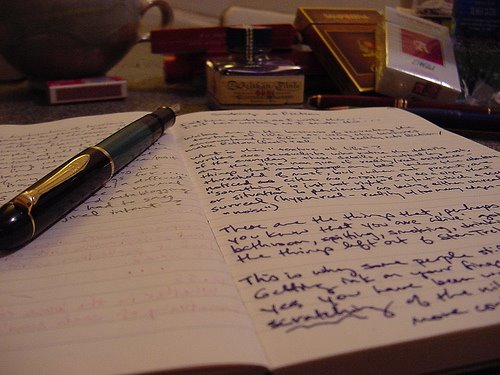
I read a lot. Not much for pleasure, it seems, but between research articles, books for class, assignments and Web content, I read a lot. And I’m often frustrated with dense paragraphs, hard-to-decipher thesaurus-speak and unclear emphases.
I have some instincts and some knowledge by osmosis of basic design principles that apply to making your copy reader friendly. You’ll find two parts to reader-friendliness: the first is the basic design and document formatting concepts that work. The other part is that your writing should be concise and meticulously on point. Every word, every sentence, every paragraph has purpose.
I read assignments like I’m a member of the audience it’s intended for – the client, most often. Once you’ve edited and reedited, these tips can help your message get through, regardless of who you’re trying to reach.
- Befriend white space – the space without words on the page gives the eye a place to rest. When powering through a 10 or 15 page PR plan, this can make the difference between an irritated reader who is just trying to find the point and one that follows your logic and keeps up with your best ideas.
- Focus on short paragraphs – frequent paragraph breaks allow the eye to transition from point to point easily and soak up the main point. A good rule of thumb is to keep your paragraphs to three to five sentences (and sentences should be short – 15 – 20 words). Massive paragraphs that take up half the page are not reader friendly.Best case scenario, this makes me cranky. Worst case, I choose not to read it and you lose points (aka budget dollars, credibility, etc.). Of note: if you’re writing for the web, or in an email, consider even shorter paragraphs.
- Slow the eye with bullet points – when your reader is scanning through your short paragraphs with ample white space, bullet points and numbered lists can slow your reader down and ensure that your key points stick. Of course, I’m assuming that you’re making good points to begin with. Bullet lists also help your reader understand steps in a process (awfully handy for, say, a plan).
- Selectively use fancy formatting – ALL CAPS is difficult to read, as is underlining. Don’t highlight or use more than two fonts in any given document. For emphasis use bold and italics. For example, one might bold the key point of each item on a bullet list. ahem.
- Think about margins – use left-aligned or ragged right margins, rather than justification for easier flow from line to line. I also prefer flush margins on the left with a hard return between each paragraphs (like the alignment in this blog post), rather than an indented paragraph with no space between. Using indented paragraphs is fussy and looks dated.
What tips do you have for making your copy reader-friendly?
Note: This is an updated & republished post from 2008.

![Reblog this post [with Zemanta]](http://img.zemanta.com/reblog_e.png?x-id=3824ade4-ef50-4ddd-8f5d-8d19579548e7)

![Reblog this post [with Zemanta]](http://img.zemanta.com/reblog_e.png?x-id=29476f28-babd-464a-8fbe-89361f60af1e)