Blog

  • A Gentle Nudge: First Linky Love of Fall Term

    A Gentle Nudge: First Linky Love of Fall Term

    Ah fall term. So fresh, so new. So much to accomplish! We’re kicking off our blogging assignment with the first “linky love” of the term. I found a ton of great stuff to share this week with the students of my J452: Strategic Public Relations Communications class.

    You can learn more info about these “linky loves” and the background on the students’ assignment here.

    Here we go!

    Fashion & Social Media: Power to the People or the Publisher?  – When I think fashion & technology, I don’t mean those weird hoodies with the speakers built into the hood. I think of businesses like the two in this post that are doing some neat things to engage fans.

    Networking Tips for Public Relations Students (Derek DeVries) – I do not enjoy the networking. I’m a terrible schmoozer. But it’s necessary! It’s also pretty cool that so much of it can be done online. But you have to have a plan for yourself. This post is a nice tie to the personal social media plans my J452 students created this term. I love it when professional people agree with me.

    Tips for Those Pursuing an International Career (culpwrit) – The lure of an international market is strong, but pursuing an  actual career overseas can be complicated. Mark Bain shares his experience and advice at culpwrit (which is a great blog for students and young professionals, by the way. Consider subscribing.)

    Smart Apologies Should Be Strategic (Harvard Business Review) – Rosanna Fiske, current PRSA national chair and CEO pens this article about the importance of apologies. So many organizations just get this wrong. *cough* Neflix *cough*. So what makes a strategic apology?

    ESPN Hesitates, Then Drop-Kicks Hank (PR News) – For the Monday Night Football fans, PR News breaks down the Hank Williams, Jr. controversy.

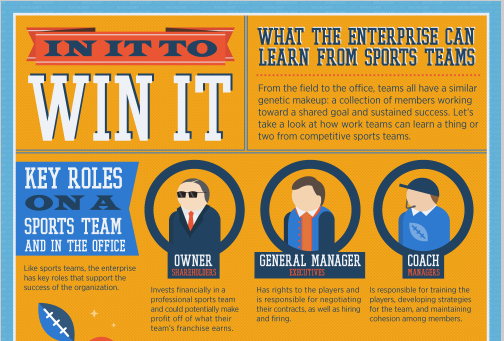
    #E2sday: What the Enterprise Can Learn From Sports Teams (The Future of Work) – I really enjoy when someone connects seemingly disparate industries or ideas. And while I enjoy the sports, I don’t really follow the sports business. (I am, however, subjected to that stupid debate show on ESPN just about every morning. That Skip guy drives me crazy.) I digress… this is a clever post with some really good lessons learned.
    What the Search for a New Red Sox Manager Teaches Communicators (Media Bullseye) – Again with the clever connections. The author makes some good points about being accessible to the media. What do you think?


    Six PR Starter Tips, Care of the MBTA (Ink House) – One more entry in the comparing unlike things category – how is public transportation like PR? I really liked this post.

    Study Shows Correlation Between Social Buzz and TV Ratings (Mashable) – I know some of you are interested in entertainment PR and this post is for you. Interesting data and (I think) unsurprising correlation. How will this impact the way shows are marketed?

    So you want to work in PR? Here’s my 10 Top Tips (Social Web Thing) – People love lists! And lists with advice you can use? Brilliant!

     

  • Six Pieces of Media Relations Advice for the Newbies

    Six Pieces of Media Relations Advice for the Newbies

    Heart racing, palms sweating… no, you’re not having a heart attack. You’re pitching your first story as an intern or entry-level pro. Whew! it can be nerve wracking, for sure. Through a good process, you can feel prepared and confident in your delivery.

    1. Know “why.” What’s the point of the media relations effort? What’s the big picture? How does this release, this pitch fit into what the client/company wants to accomplish? It’s ok to ask. You’re not just “smiling and dialing,” asking why can help you craft a better pitch, but also helps you understand the business of public relations and the media relations function.
    2. Know the story. Understand not only the primary story, but all the potential angles. You may not be able to pitch the primary story to every editor (in fact, you probably can’t).
    3. Create, refine and refine again your media list. An awesomely targeted and strategically refined media list is your golden ticket. This part is pretty freaking tedious, but it’s so important. Don’t let the tedium deter you. Tools like Cision and Vocus can help a lot if your organization has a subscription. If they don’t, there are a bunch of free or almost free tools… including your eyes and brain. If you understand the “why,” (see #1), you can be reading, watching and listening to the right sources and you’ll get to know who will be interested in your pitch. This takes time, so the computer-aided-search-tools are a nice boost, but don’t lean on them too hard. Know your organization’s industry.
    4. Write the pitch. If you’re emailing it, make sure the grammar is pristine, the message clear and that it’s SHORT. If you’re calling, make sure the grammar is pristine, the message clear and that it’s SHORT.
    5. Practice the pitch. Have colleagues read and listen to your pitch and give you feedback.
    6. Make the call! (or send the email). But really, you’re going to have to make the call at some point, even if your first pitch is via email.

    I asked my friends via Twitter what advice they would give to newbies and, boy! did they have advice. Check it out. And follow these super smarties – some are vets and some are newbies themselves.

    [blackbirdpie url=”https://twitter.com/#!/Bookgirl96/statuses/106815124261703680″]


    [blackbirdpie url=”https://twitter.com/#!/JenJAshley/statuses/106816028138422272″]


    [blackbirdpie url=”https://twitter.com/#!/mculpPR/statuses/106815993988386816″]


    [blackbirdpie url=”https://twitter.com/#!/mculpPR/statuses/106815639099949056″]


    [blackbirdpie url=”https://twitter.com/#!/JulieMa/statuses/106812944096047105″]


    [blackbirdpie url=”https://twitter.com/#!/jpitts/statuses/106817252728389632″]


    [blackbirdpie url=”https://twitter.com/#!/RACHELkoppes/statuses/106816629446410241″]


    [blackbirdpie url=”https://twitter.com/#!/jenna_levy/statuses/106819096561192960″]


    [blackbirdpie url=”http://twitter.com/#!/behindthespin/statuses/106831502993657856″]


    [blackbirdpie url=”http://twitter.com/#!/KellysDavies/statuses/106832108646965249″]


    [blackbirdpie url=”http://twitter.com/#!/ztzinthecity/statuses/106820662022250496″]


    [blackbirdpie url=”http://twitter.com/#!/jamescrawford/statuses/106832389141037056″]

    See James’ blog, too.


    [blackbirdpie url=”http://twitter.com/#!/kevinkennedy320/statuses/106833121214865408″]

    For even more tips & advice, check out my Delicious tag on media relations. And I’d love to hear what you think? What would you add?

  • Following my Heart, Sharing My Philosophy

    Following my Heart, Sharing My Philosophy

    Today I formally accepted a full-time instructor position at the University of Oregon in the School of Journalism and Communication. What, you say? You thought I already did that? Not quite. For the last six years, I’ve been an adjunct instructor. Full time, yes, but not permanent.

    Tactically, the position won’t be much different. Philosophically, it’s a world away. But accepting this position is really putting a stake in the ground – this is who I am and where my priorities lie. I will still do consulting and speaking and Verve lives on. But this position marks an important milestone for me and one that I’m pretty excited about.

    Thanks to many, many people who have supported me, trusted me, pushed me, challenged me and helped me get here.

    As part of the application process, I revised and updated my teaching philosophy (thank you, The Professor is In for all your feedback!). I thought I’d share it with you here. I’d love to hear what you think! If you’re an educator, what is your philosophy? If you’re a student (or former student), what do you expect from your teachers?

    ***

    I didn’t plan on being an educator. I had a whole world to save, and those world-saving-type jobs wanted a job candidate with an advanced degree. So, I applied to the SOJC’s graduate program and began Fall 2002 with a schedule full of classes and a GTF in J202: Information Gathering.

    The teaching bug bit quickly, and it bit hard. I relished the time I spent in the discussion sections with the students helping them navigate the labor-intensive requirements of the course. I was honored and a bit terrified when Dr. Van Leuven and Dr. Steeves sat down with me after my master’s defense to tell me that the school wanted me to start teaching the very next month.

    Some of what fuels my philosophy and my approach comes naturally. My personality is well suited to be part educator, part therapist and part cheerleader. But ultimately, the desire to create capable, talented, strategic young professionals drives my course content and the work the students do to fulfill course objectives.

    I’m quite serious about this work and my mission. Today’s students must be better and know more than previous cohorts. The rules are changing, and it will be their job to stay on the cutting edge of communications. I push them hard; I have high expectations. I know what they are capable of (even though at times they don’t), and I stretch them to reach their potential.

    Whether it’s navigating the chaos of twitter and learning how to manage it for the sake of creating conversations or wrapping their heads around an international crisis communications issue and creating a strategic plan, I am committed to finding new ways to engage students in my classroom. I love to try new things. I work to understand my students and my clear vision of course objectives enables me to try innovative approaches to find the best path.

    I have seven “be-attitudes” that I share with every student on the first day of every class that encapsulate my philosophy and what I hope every student will take away from my classes.

    1. Be Curious: Read, ask questions, find out everything you can about your chosen profession. In public relations that means reading the industry blogs, paying attention to industry news, talking to local professionals in your community and being an avid consumer of media.
    2. Be Engaged: Beyond curiosity, engage your mind. What are the greater implications of what you’re reading, listening to or talking about?
    3. Be Empathetic: To succeed in public relations, you must be able to put yourself in another’s shoes. Practice now! How did your teammate come to that conclusion? If you were a member of a particular target audience, how would a company or organization reach you? As a client, how often would you want a report and what information would be important?
    4. Be Active: Active involvement in pre-professional organizations is an excellent way to be involved on your campus and in your community and make connections for your future at the same time. At the University of Oregon, public relations students are involved in PRSSA and Allen Hall Public Relations, the student-run public relations agency. Start your own blog, make connections via social networks like Facebook or Twitter. Find a new site like Google +, Last.fm, LinkedIn or Instagram.
    5. Be Responsible: Your actions, your education and, yes, your grade are your responsibility. Your instructors (hopefully) provide the direction and the tools. But if you’re serious about your education and your future career, personal responsibility is essential. If you need help, get it. If you have a question, ask.
    6. Be Confident: As you mature into a young professional, trust your instincts and your ability to find a great internship, offer counsel to your brother’s friend’s start-up company and generally do good work. The balance, of course, is to be confident and humble. Know when you are in over your head and get help.
    7. Be Passionate!: The beautiful thing about choosing a career in public relations is that you can find the industry that makes you passionate about communicating. Maybe it’s performing arts? Or high-tech? For me, it’s nonprofit work and social change. Find your passion and shout it from the rooftops!

    I might not be ridding the world of evil, but my reward is seeing students develop into thoughtful, ethical, engaged and empathetic professionals. Education has given me a way to contribute a better world through empowering my students.

  • #UOregon at SXSW (with your vote!)

    #UOregon at SXSW (with your vote!)

    Not one, not two, not even three… but FOUR great panels are up for your vote on the South by Southwest Interactive Panel Picker for the 2012 festival. Click on the “vote for my idea” button at the end of each description to vote. You’ll have to register on the SXSW site, but it takes just a minute. Thanks!

    1. Just Because It’s Legal, Doesn’t Make it Right

    Me, along with Kami Huyse, Todd Defren, Joe Chernov and Arik Hansen.

    You never know who you are dealing with online. Agencies, evangelists and free agents are everywhere you turn, but sometimes you have no idea that a person has been paid in money or perks to represent a brand. The FTC stepped in to make some rules, but there is still plenty of gray area. Is it okay to skirt full transparency? Is full transparency even possible with Facebook Likes, Google +1s and new platforms like Quora? As a marketer, how far is too far? This panel will explore the ins and outs of online promotion and what we are required to do, as well as the ethics around the gray zones

    Vote for My SXSW Idea!

    ***

    2. Change Demands Acts of Courage

    Deb Morrison with Edward Boches, Colleen DeCourcy, Scott Bedbury and UO President Richard Lariviere (so cool).

    What must we do to flourish during times of change and upheaval? Simply said, we must act with courage. Our mission: bring compelling leadership from education, innovation, technology and brand thinking together for a discussion on courageous acts committed in the name of transformation. Let’s talk about the economy, about realities in education and business, about remaining optimistic and visionary during wicked times. Not your normal motivational chat. And not your normal panel: four amazing thinkers prepared to deliver the roadmap for where we must go and how we act along the way.

    Vote for My SXSW Idea!


    ***

    3. Where Goes the Neighborhood: Local Meets Global

    Kim Sheehan with Daniel Greene, Jeremiah McPherson and Luke Kintigh

    The Future of Interactive Marketing is Near: in 2011, 40% of marketers have increased geographically targeted advertising. For small businesses this investment has stronger returns and higher response rates than other marketing channels due to mobile migration. In the next four years, an estimated 70% of mobile ads will be local. The democratization of the digital landscape allows the local business an opportunity to compete with global brands. However, many local marketers have yet to capitalize on digital tactics (especially mobile marketing) to build brand awareness. Local businesses find coupon and daily-deal programs unprofitable. They have problems converting check-ins to long-term success. And, global brands ignore the local market, missing opportunities to create brand loyalists at a grassroots level. This session will explore what Local and Global can learn from each other to better engage with their ‘ambassadors’ using digital media. We will focus on bringing successful global tactics to the local level. AND, we will challenge global marketers to think local as a means to better connect with target audiences at a neighborhood level.

    Vote for My SXSW Idea!


    ***

    4. Communicating Across Lines of Difference

    Rita Radostitz with Mia Tuan

    As the world around us becomes increasingly diverse, the ability to communication across salient social identities (i.e., race, culture, gender, sexual orientation, etc.) becomes critical. In this session, Dr. Mia Tuan, a sociologist and Rita Radostitz, a communications director, will talk about how they strive to successfully communicate with audiences that may or may not share their social identities. The session will discuss why it is an essential skill today to be an effective multicultural communicator, and the role that diversity plays in developing critical thinking. We will also talk about the ways we have successfully navigated building trust with diverse colleagues and audiences as well as the costs of successfully doing so.

    Vote for My SXSW Idea!

    ***


    I know we all hope you’ll take a minute to vote for us! And if you have a panel you’d like us to know about, leave it in the comments. See you in Austin!


  • Setting New (School) Year Resolutions

    Setting New (School) Year Resolutions

    January, schmanuary. The real “new” year for those of us who are students and teachers is September. So as we all gear up to head back to the classroom, it’s time to set some new (school) year resolutions.

    SWOT Yourself

    Take an objective view – well, as objective as possible – about your strengths, weaknesses, opportunities and threats.

    Strengths and weaknesses are internal.

    Strengths: What are you good at? What kinds of activities are a natural fit for you?

    Weaknesses: What areas are more difficult for you to master? I’m not going to say “what can you improve on?” because that’s not always an effective use of your time. But are there specific skills that you need to add to your repertoire? Particularly tactics or skills that you want to learn?

    I highly recommend a book called StrengthFinder 2.0. Take a little online quiz and get back your top 5 strengths. We did this last year with AHPR and it was eye-opening. You can read about it here.

    Opportunities and threats are external.

    Opportunities: What activities, events, programs can you take advantage of? Where can you gain the experience you need?

    Threats: Where are the potentials for time sucks? What external factors can diminish your ability to achieve your goals?

    Threats are tricky when you’re looking at yourself as a students. It might be a heavy class schedule, for example. You can’t really do anything about that, but you can be aware it’s coming and plan accordingly.

    Thanks, @CBLangev for this suggestion.

    Make a Plan


    Now that you understand what your strengths, weaknesses, opportunities and threats are, make a plan for making the most of the good and minimizing the impact of the not-so-good.

    Some tips:

    • Start with the end in mind. What do you want to accomplish? And what does that “end” look like?
    • Be realistic, but ambitious. You can’t do everything. You have to make strategic decisions about where your time will be best spent. Where is the best return on your time investment.
    • Have a good planner. Whether you need a written planner or an electronic version, make friends with your process and use it to stay organized. About.com has some nice (basic) tips for collge student calendar management.
    • Find tech tools that support your goals, and focus on those tools.  I’m a little bit notorious for giving a new tool or app a try, but not spending enough time with it to really integrate it into my schedule before I get distracted by the next shiny, new thing. Don’t do that.

    Find Balance

    You have to be able to balance school/academic work, extracurriculars, internships, volunteer opportunities and your social life (more on that in the next point). In a professional program like public relations, you really do have to look and think beyond the classroom – even in your in the honors college… even if you know you’re headed to grad school.

    The challenge of course, is figuring out how to fit it all in. Refer to the aforementioned planner/calendar system. Find your process! It is possible to create balance when you know what your goal is and how you plan to get there. (Oh, look at that! All these fit together…!)

    Thanks, @ColbyReade for this resolution.

    Have Fun

    You’re in college. Have fun! Find time to make what you do fun and to have a social life outside of the books and the work. I went through a goal setting process for myself recently and found that I was conflating “have fun” with “have a hobby.” I don’t have time for a serious hobby, but I do have time for fun.

    And I have fun all the time. I think life is fun! And I find the fun in work, family time, vegging out in front of the TV… all those can be (and usually are) fun. So it doesn’t have to be BIG fun. But make sure you’re including time for you.

    So there’s my list. They are all “big picture.” Tell me about what you have planned this year. What are your new (school) year resolutions?

    Special thanks to my Twitter & Facebook friends for offering their suggestions! 

  • To Twitter on Its 5th Birthday

    To Twitter on Its 5th Birthday

    Twitter celebrated its 5th birthday last week. Unlike the five year old in my house, I’m fairly confident Twitter’s party didn’t have an Optimus Prime pinata and a Autobot cake… Twitter’s loss.

    Milestones always seem to me like a good time to reflect and ruminate. Of course, I wasn’t there on day one, but I’ve been on Twitter for a while (just over 4 years), and it’s certainly had a big impact on me. A few things that stand out in my mind:

    • I joined in April 2007, but didn’t really start tweeting regularly  until June 2008. Like all applications, it takes time to find your groove, figure out how it fits into your work flow. Does it make life easier/better/more satisfying? My rule of thumb for new Twitter users is to give it 30 days and try to follow/be followed by about 100 people.
    • I’ve sent almost 20,000 tweets in that time. As of today (July 18), I have 5100 followers and 2,690 friends. I learned long ago that these stats had to be about my experience with Twitter and not arbitrary rules about follower ratios or similar nonsense. No, Twitter is not “all about me,” but if the tool doesn’t bring value, then why participate?
    • I average about 15 tweets a day. That’s probably pretty “noisy,” but many of my tweets are connecting to people, not just blabbing for the sake of blabbing. I’m not going to lie, there is definitely blabbing. The @’s and RTs dominate. In fact “rt” is my top word in my tag cloud, followed by the very optimistic sounding: thanks, great, new and good.
    • Twitter, for me, is my go-to platform. It’s the one I use the most and provides the most return on investment for me. Besides, I learned about four of the last five dead celebs from Twitter – now that’s value!

    Check out this stellar infographic chronicling Twitter’s history. And share! What do you love (or hate) about Twitter?

    by visually via

  • Reality Check: You Don’t Get to Set the Topic

    Reality Check: You Don’t Get to Set the Topic

    [draft chapter excerpted from Strategic Social Media, due out in 2012 from Routledge]

    Reality check. People are having conversations every day about your organization and they have been for a long time. Despite these conversations occurring practically under your nose, prior to social media, hearing them wasn’t easy even for the most vigilant organizations. Maybe a customer complaint here, or a comment in the comment box there, a focus group or survey every couple of years communication managers could get glimpses into what audiences were thinking.

    Using the info gleaned, the organization could communicate with its audiences but the communication channels were traditionally “one way” – brochures, media relations, websites, events, etc. – and focused on the topic that the organization wanted to talk about.

    Fortunately for modern day communicators, we have the ability to easily, and continuously, listen and monitor. You can listen in on those conversations that people are having every day about your organization, its products and services, and even more significantly, the lives that those audiences live, the communities they participate in and how your organization can be a part.

    Listening has two aspects: the first – understanding the big picture (what are you listening for) and the second relates to the specific technology or the tools that you use (how you listen).

    We’ll start with the big picture. In public relations, we’re often responsible for “issues management” and “environmental scanning.” Through these functions, we can help organizations understand what’s on the horizon and what they need to pay attention to for the sake of preparedness and response. When launching a social media listening and monitoring strategy, the same principles apply, but, as you might imagine, the tools differ.

    David Alston from Radian6 wrote a blog post in 2008 outlining the top 10 things an organization should listen for. Besides being a great read, the post provides a useful start when thinking about your approach to listening.

    Alston suggests listening for each of the following (see the post for a full description of each): the complaint, the compliment, the expressed need, the competitor, the crowd, the influencer, the crisis, the return on investment, the audit, the thread.

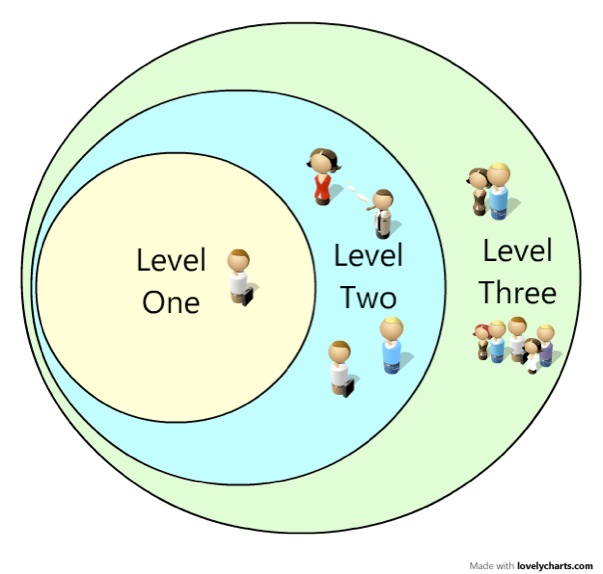
    The top ten list can open your mind to the breadth and depth that you must think about when starting to listen and monitor. But let’s take it a step further. In an effort to help you conceptualize listening and monitoring, we developed this chart that depicts the “three levels of listening.”


    I created this chart when I was setting up a dashboard for a small start-up company. It captured what I was trying to explain and it provided some shared vocabulary with the client as well as a meaningful structure.

    Level 1: At the center of the chart is your organization. Level 1 listening is focused on those terms and keywords that are most closely related to your organization.

    Level 2: Level 2, as the chart implies, is slightly more broad and focused on keywords and phrases related to your market and your industry, but not necessary specifically about your organization.

    Level 3: Level 3 lives another concentric ring out from the center and focuses on those topics and issues related to the lifestyles and interests of your audience, but probably not specific to your industry or market. Some of the most valuable insights about the “topics” that your audiences are interested in live in Level 3.

    We could even combine Lebrun’s top 10 list with the three levels of listening and come up with something like this (note: they don’t all fit perfectly and some overlap).

    Level 1: the complaint, the compliment, the crisis, the ROI, the audit, the thread

    Level 2: the expressed need, the competitor, the crowd, the influencer, the crisis, the audit, the thread

    Level 3: the crowd, the influencer, the crisis, the thread

    (you can see more about how to apply this chart in this post about “what to listen for.”)

    This basic categorization works to establish a listening and monitoring strategy that helped find the pulse of the audience for your market or industry – what are they thinking about, talking about and interested in. I’ve used it over and over and over for organizations I work with.

    To create a listening and monitoring strategy that’s broad enough to be useful, you must think beyond Level 1. If you don’t, you’ll miss much of the conversation. People aren’t necessarily talking about YOU. Certainly if they are, you need to know. But the conversations you must tune into to understand the change in topic are much broader.

    Moving beyond Level 1 can be challenging. We “get” Level 1. As communicators we instinctively understand that we need to know if and when conversations about our brands occur online. That’s easy. It’s harder to understand why (and how) to listen and monitor more broadly.

    Getting to Levels 2 and 3 takes knowing your organization – and its industry – inside and out. It also takes some creativity, lots of trial and error and patience. But if you don’t get there, you’re doing little more than customer service (which is important) and missing the opportunity to use social media to manage issues, track trends and participate in conversations and communities in a meaningful way.

  • Disclosure: A Question of Ethics

    Disclosure: A Question of Ethics

    I haven’t been blogging much lately. I’m on deadline for a forthcoming book on strategic social media and, as it turns out, books are hard to write! holy moly. I thought I’d give you a little sneak peak at the ethics chapter. Would love your feedback, of course.

    The demand from the public that organizations behave ethically is high. These demands are often articulated as a call for transparency. Organizational transparency is largely misunderstood, however, even by the people who are charged with delivering it.

    Many communicators find that the dilemmas faced in social media tend to fall under the topic of disclosure. What and how much do you disclose?

    Under the umbrella of disclosure, you’ll find a bevy of dilemmas with choices that don’t sit on either side of the bright line between right or wrong (note: there is no such line). Through the stories and cases of organizations that get caught in snarled situations, we can learn valuable lessons.

    Internal dilemmas related to disclosure primarily often revolve around identification of the “who” behind the voice of the social media accounts. Whose byline is on the company blog? Who is answering questions on Twitter?

    The answers to questions around internal disclosure aren’t always comfortable. Communication professionals have long penned everything from guest editorials to speeches to contributed articles (and everything in between) for executives. Why, some ask, would social media be any different?

    But social media is different.

    Let’s look specifically at one of the hottest disclosure topics – whether ghostblogging is appropriate . Ghostblogging is when the byline on a blog reads one name and the content is written by someone else. And that someone else is anonymous to the reader. A common example of this is that the blog is ostensibly written by the CEO, but in actually written by someone in marketing or public relations.

    A CEO’s opinion about his or her company, industry trends and related issues are valuable. People like to hear from CEOs. But CEOs are busy running companies, aren’t usually “writers,” and don’t always have the nuanced understanding of the online community to whom he or she is speaking.

    In a 2009 post, Dave Fleet, a public relations practitioner in Toronto, Ontario, offers that ghostblogging without disclosure is a “very, very bad idea.” We would call it a ethics violation. Fleet offers some alternate ideas for maintaining a blog when the CEO can’t be the primary blogger:

    • Have a multi-author blog: reduce the workload on the executive by creating a team a bloggers cover issues across the organization.
    • Maybe it’s not the executive, but someone else who has a unique view of the organization that should be the blogger (under his or her own name). A nice example of this is Coca-Cola’s blog written by the company historian .
    • Disclose how the posts are developed. If the executive has help, reveal that. Language like, “I don’t write these posts, but I do read them and stand behind them” or “Written with Kelli Matthews.”
    • Maybe a blog isn’t the answer. An executive may be more comfortable with video or microblogging. Remember that blogs are just one tool in the toolbox. Find the digital medium that fits the “author’s” style .

    Disregarding the call for transparency, organizations that behave opaquely are the ones we tend to hear about. In fact, disclosure and transparency often go hand in hand – through disclosure, an organization can achieve transparency.

  • PR Sucks and Other Fallacies.

    PR Sucks and Other Fallacies.

    “…PR people are ruining social media…”

    “…P.R. people drive me crazy…”

    “…PR sucks…”

    Okay, that last one is more of a paraphrase than a quote, but you get the point. PR has taken a bit of a lashing recently.

    Beyond being tired, cliche and trite, the “PR Sucks” meme is an informal fallacy – a straw man argument. The assertion of  most of these pieces is that because much of PR (particularly agency work and especially over the last 20 years) has been focused on earned media (media relations), that PR people are not suited/incapable/really bad at social media strategy and implementation. That media relations models don’t work in the social world, so clearly we’re ill-suited.

    But media relations of course is only one specialized function – this argument reveals more about the respective writers’ (lack of) experience or limited view of PR and its role in management than it does about the nature of the public relations profession.

    The “PR Sucks” argument doesn’t get at the actual discussion we should be having. I would love to see the discussion focused on creating understanding what PR is and what it is not. Limiting public relations to any singular function – whether it’s media relations or event planning or speechwriting is not productive. The authors of such posts are being incendiary on purpose, of course. “If we flame them, they will come and comment and link back! yay!”

    But in the process, the broad brush with which they paint is not flattering to them or to those they caricature. And disclaimers like, “some of my best friends are PR people…” doesn’t help.

    Defining public relations is complicated to say the least. The nuance and context within which a public relations professional works is hard to pin down and even the scholars don’t agree. However, since this is my blog, I’ll offer that the best definitions of PR have three things in common:

    • The importance of research
    • The primacy of relationships
    • The central requirement of listening and responding

    One of my favorite definitions is from Rex Harlow:

    Public relations is the distinctive management function which helps establish and maintain mutual lines of communication, understanding, acceptance and cooperation between an organization and its publics; involves the management of problems or issues; helps management to keep informed on and responsive to public opinion; defines and emphasizes the responsibility of management to serve the public interest; helps management keep abreast of and effectively utilize change, serving as an early warning system to help anticipate trends; and uses research and sound and ethical communication as its principal tools.

    Another from Carl Botan:

    Using communication to adapt relationships between organizations and their publics.

    Finally, from the Encyclopedia of PR (which I didn’t know existed), Robert Heath offers:

    Public Relations is a set of management, supervisory, and technical functions that foster an organization’s ability to strategically listen to, appreciate, and respond to those persons whose mutually beneficial relationships with the organization are necessary if it is to achieve its missions and values.

    “Beneficial” relationships are not necessarily positive or the relationships that you enjoy building and maintaining. In fact, stakeholders may be the readers and viewers of media outlets, but they may also be employees, vendors, investors, neighbors, activists, government agencies, etc. Our focus in PR is not exclusively on the customer.

    Creating a shared space for dialogue and feedback has been part of our job all along. Those “shared spaces” have taken real world shapes in the form of town halls, open houses, public comment opportunities, trade shows, desk-side briefings, CEO tours, and so on. But the online equivalents are a natural fit.

    The problem, it seems, is the lack of understanding and “world view” of communications management by the PR Sucks crowd. Oh, and there are plenty of PR people who also lack understanding and “world view.” They’re the spammers, the bad pitchers, the flacks, the “smile and dial” publicists. But they are also not the norm.  Nor are they public relations professionals.

    I lectured this week on the history of PR and I’m always invigorated by Arthur Page’s position on the role of public relations. Every time I get to this part of the lecture, I’m struck by how clearly his six principles often resonate with me and the work that I do as a public relations practitioner.

    • Tell the truth: Let the public know what’s happening and provide an accurate picture of your organization’s character, ideals, and practices.
    • Prove it with Action: Public perception of an organization is based on 90% doing and 10% telling.
    • Listen: Understand what the organization’s publics want and need. Keep top decision makers and other employees informed about company products, policies and practices.
    • Manage for Tomorrow: Anticipate opportunities and challenges, eliminate practices that create difficulties. Generate goodwill.
    • Conduct PR as if the whole company depends on it: No strategy should be implemented without considering its impact on the public.
    • Remain Calm, Patient and Good-Humored: Lay the groundwork for PR miracles with consistent, calm and reasoned action to information and contacts. Cool heads communicate best. (my favorite)

    I would love to hear from you. What do you think?

    photo by Richard Sunderland

  • Ducklings Take Flight! My Favorite Posts from Winter Term Students

    Ducklings Take Flight! My Favorite Posts from Winter Term Students

    My Strategic PR Communications students were immersed in blogging this term. In fact, they wrote a minimum of fifteen posts over the course of about eight weeks. And they did a great job. Keeping up that kind of schedule is demanding, as you bloggers know. I want to showcase some of my favorite posts from the term. I have at least one favorite from each student.

    Best of the Best

    These six students really took flight with their blogs. The posts I’ve selected here stand out as the very best.

    Daniel McCrone had two great posts. Daniel’s a really good writer, so I encourage you to hang out on his blog and check out some of his other posts, but these were my two favorites:

    In Twitter Symptoms May Vary, Daniel explores the five stages of twitter from an older post by Rohit Bhargava. And in Behind Every Success There are Hundreds of Failures, Daniel philosophizes a bit on the psychology of “dead week” and how the spectre of failure ultimately drives so many students to demand the best they have from themselves.

    Rachel Koppes‘ post Recipe for Twitter Success is an insightful look at how to make the most of Twitter and be someone worth connecting with. Rachel strives to make each tweet “epic” (which I love!), but also finds ways to share her personality and make meaningful connections with people. Whether you’re brand new to Twitter or just want to refresh your thinking, this is a great post.

    I love Mackenzie Davids‘ blog. I know from having her in class a couple of times that her love-hate relationship with social media has not kept her from jumping in and trying things out. So her post Social Networking Relationship Status: It’s Complicated was a perfect description of how Mackenzie, and many young professionals, struggle with how much to reveal and how to use these tools effectively.

    Mackenzie had a second great post recapping her experience in the portfolio review process – Practice Makes Perfect. She gives some great advice by sharing what she learned. I can tell you from looking at the evaluations from her reviewers, that whatever she did, worked.

    Caitlin Jarvis has a passion for nonprofits and helping them communicate more effectively. Her blog was a terrific platform for exploring this passion and digging into how nonprofits are using social media. It’s for students like Caitlin that this assignment really “clicks.” It was clear that she has a knack for blogging and she had some outstanding posts. I encourage you to read more from her blog, but my favorite of the bunch was her recap on the Red Cross’ “rogue tweet” – Going Rogue: Mistweets Happen. Caitlin went out of her way to connect with someone at the Red Cross on Twitter to provide an added perspective to her post.

    I’m not much into sports – especially professional sports – but Nicole Hyslop knows her stuff and did an outstanding job of bringing PR into her discussions. One post I particularly liked was @ProfessionalAthletes: #PleaseRead. As you might guess from the clever headline (love it!), this is a post with some Twitter tips for the pros. She has four easy tips ostensibly for pros, but are really useful for even us mere mortals.

    Andy Jenness, one of the grad students in the course this term, brings such a unique perspective to his blog. As an active member of the Grande Ronde tribe, Andy took his blog as the opportunity to apply the principles we talked about in class and explore other stuff on his mind. His post Tribal Ethics was an outstanding one to me. Andy ponders how, if at all, social media changes the way the Tribe needs to think about how its ethics standards (passed pre-social media) might need to change to include online behavior. Interesting food for thought.

    Also Awesome

    Every one of my students this term had stand out posts. Here are some more of my faves.

    Like many seniors, Stephanie Sahaigan is excited and nervous about the job search. Her post, The Real World is Approaching, takes the advice from The Hiring Hub and applies it to what she’s thinking and feeling about post-graduation.

    Heather Lee loves event planning and her blog focuses on that as a career aspiration. Her post Top Keys to Success in a Hard Market has some great advice whether you are a small business owner or, like Heather, are planning a career providing services to them.

    Katie Brennan, the other grad student in the course, has a diversity of interests and used her blog to share them. I really liked this post about creativity in business – What Do You Know about Mr. W? (watch the video Katie links to, it’s great!).

    If you review the students’ blogs, you’ll find lots of them talk about the dreaded job search. Crystal Barce does a good job recapping and applying six tips in her post Interview Tips Every PR Rookie Should Know. A tip post is good if the tips are applicable. Crystal show how to do just that.

    Ayan Jama uses her blog to demonstrate her interest in integrated campaigns. Her post Pistachios Get Celebs Crackin was useful and insightful, showing how the PR team complements advertising and branding. The particular celebs on this campaign are pretty risky, it’ll be interesting to see how it plays out. Ayan has some great insights.

    I love music. My favorite parts of Julia Neff’s blog were her links to and video embeds of the music she loves – which ranges from Bluegrass to Dubstep. Julia also has some great PR and communications advice for musicians, too. In her post The Seven Deadly Sins of Playing a Live Gig, she riffs on another blog of a similar title and adds her own take. The advice isn’t necessarily intuitive, which makes Julia’s insights that much more valuable. You should also see her recommendations for Bluegrass tunes to turn your frown upside down.

    Reality shows about PR make me cringe. A lot. Isabelle Morse-Dias shares her guilty pleasure and ponders Kell On Earth: Beneficial to the Industry?. Isabelle raises some good questions and while she may not have an answer, it’s clear that these shows are popular as much for the PR as for the glam industries they service (like high fashion). I have to say that Kell on Earth is not nearly as bad as PoweR Girls, that show was horrid.

    In You Can Pay for School, But You Can’t Buy Class, Alaina Revoir talks about George Clooney, the celebrity statesman. She has an interesting perspective and ends by saying that she hopes her future will include work for an individual or company with a vision outside themselves.

    Photo by Dave Briccetti

    Related Posts with Thumbnails